
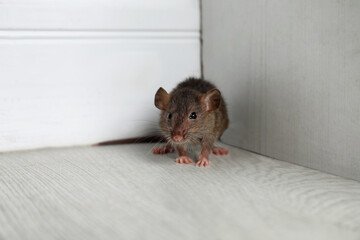
Dealing with Pesky Pests
As temperatures soar during the summer months, so too does pest activity. Heatwaves create ideal conditions for insects and rodents, resulting in a noticeable increase in reports of ants, flies, wasps, rodents and other unwelcome visitors finding their way into rental homes.
Whilst many pest issues are relatively straightforward to resolve, they can quickly become probelmatic if it is unclear who is responsible for dealing with them. This is where a well-drafted tenancy agreement, supported by good communication between landlord and tenant, becomes invaluable.

Pesky Pests in Rental Properties
Under the Housing Health and Safety Rating System (HHSRS) the causes of pest infestation and the impact on the tenant is high on the agenda and is one of the 29 Hazards. Health hazards due to poor design, layout and construction can make it hard for the occupant to keep the property clean and hygienic, and as a result pests can be attracted.
The HHSRS takes into consideration the following: -
Access into and harbourage within the dwelling for pests
Insect infestation (e.g., cockroaches) and infections (spread by insects and rats and mice)
Access into and harbourage within the dwelling for pests
Inadequate and unhygienic provision for storage and disposal of household waste.
Inadequately stored/accumulated refuse allowing access for insects, rodents, pests, birds, squirrels, foxes
Service ducts and holes around pipes e.g., central heating harbour insects and provide access between dwellings in blocks
Access to open drains by rodents
Access for rodents by means of ill-fitting doors and windows
Uneven and/or cracked internal walls and/or ceilings allowing access for pests
Missing/damaged brickwork including airbricks to external walls and other disrepair to external walls and roof
Therefore, it is up to the landlord to ensure that the property is fit for human habitation.