
New Prime Minister, New Government:- What Andy Burnham as PM could mean for the Private Rented Sector
On 20 July 2026, Andy Burnham was appointed Prime Minister after being elected unopposed as Labour leader following Sir Keir Starmer's resignation. It is a change of leader rather than a change of governing party — there has been no general election. But for an agency built around the private rented sector, a change of Prime Minister with as long and as specific a housing track record as Andy Burnham's is not a footnote. It is worth understanding properly, both for what is unlikely to change.
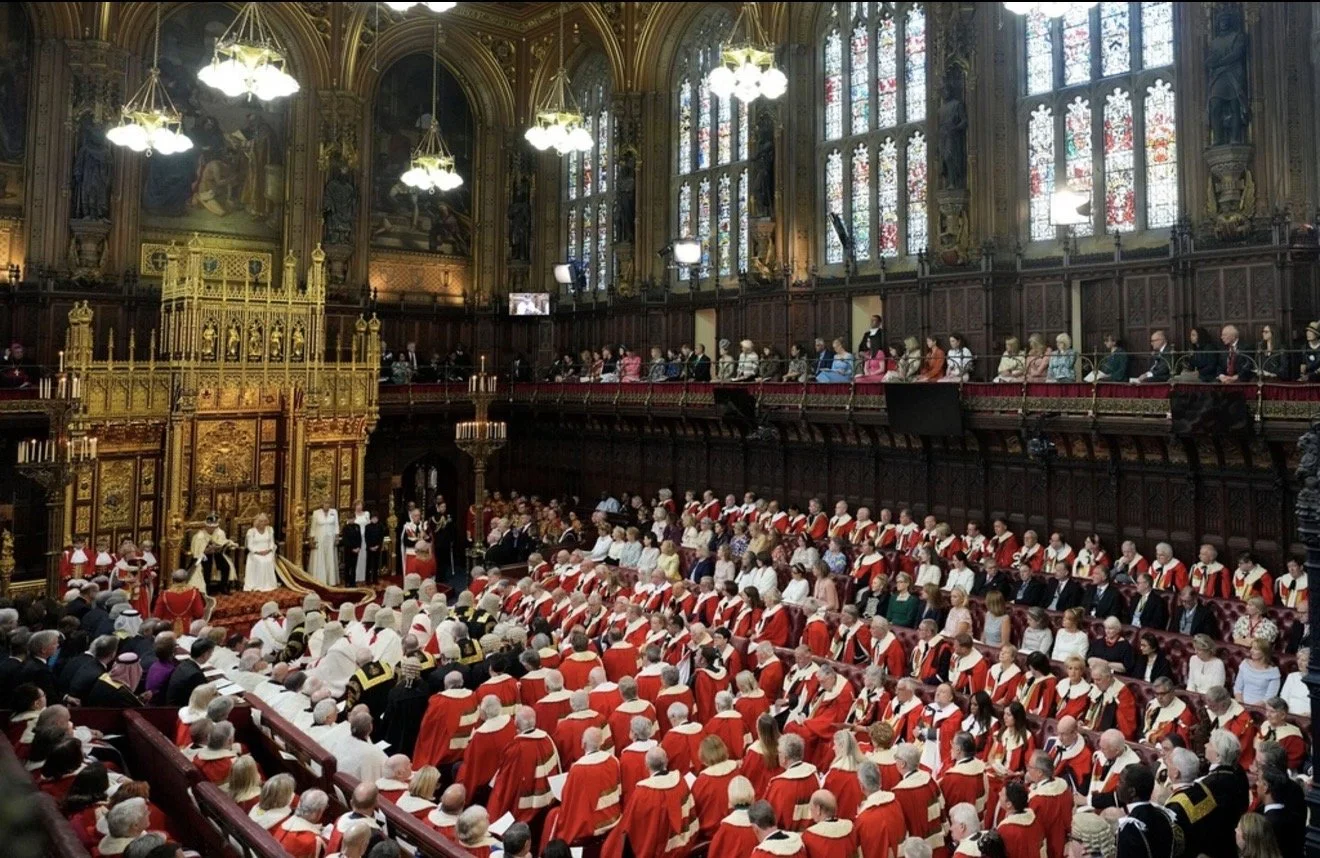
The King’s Speech 2026
Today’s King’s Speech is expected to set out the government’s priorities for the next parliamentary session, with a major focus on housing, public services, economic reform and infrastructure.
More than 35 bills and draft bills are expected to be announced as the government outlines its plans for the year ahead.
Housing and property reform are expected to play a significant role in today’s speech. Proposed measures are likely to include further leasehold and commonhold reform, making it easier and cheaper for leaseholders to extend their leases or purchase their freehold interests. The government is also expected to continue efforts to reduce excessive ground rents and strengthen protections for leaseholders.
Building safety is also expected to remain a priority following the Grenfell Tower tragedy. New legislation is likely to accelerate the remediation of unsafe cladding and introduce stronger obligations on developers and building owners to improve safety standards in residential buildings across England.

UK - Private Rent - July 2024
Office of National Statistics - 17th July 2024
The Price Index of Private Rents (PIPR) measures private rent inflation for new and existing tenancies. The UK House Price Index measures house price inflation and given the way in which rents have increased significantly over the last 2 years, it is of paramount importance to see just how rents differ within different parts of the UK.
Average UK private rents increased by 8.6% in the 12 months to June 2024 (provisional estimate), down from 8.7% in the 12 months to May 2024.
Average rents increased to £1,310 (8.6%) in England, £743 (8.2%) in Wales, and £959 (8.4%) in Scotland, in the 12 months to June 2024.
In Northern Ireland, average rents increased by 10.3% in the 12 months to April 2024.
In England, rents inflation was highest in London (9.7%) and lowest in the North East (5.9%), in the 12 months to June 2024.
Average UK house prices increased by 2.2%, to £285,000 in the 12 months to May 2024 (provisional estimate), up from 1.3% (revised estimate) in the 12 months to April 2024.
Average house prices increased in England to £302,000 (2.2%), in Wales to £216,000 (2.4%), and in Scotland to £191,000 (2.5%), in the 12 months to May 2024.

Consultations on new Property Licensing schemes launched.
Licensing is, of course, not a new initiative within the Private Rented Sector. The Housing Act 2004 (the Act) introduced a range of measures designed to address to improve the management of HMOs. The Act introduced mandatory licensing of all HMOs which are occupied by five or more persons forming two or more households.It also introduced two types of discretionary licensing. These are additional licensing, where a council can impose a licence on other HMOs in its area which are not subject to mandatory licensing, but where the council considers that poor management of the properties is causing problems either for the occupants or the general public, and selective licensing to cover all privately rented property in areas which suffer or are likely to suffer from low housing demand and also to those that suffer from significant and persistent anti-social behaviour. Other measures include management orders and rent repayment orders.